Reiki-Infused Massage: An Honest Look at the Trend
What the spa trend gets right, where the marketing gets muddy, and what to ask before you book a session.

Japanese Reiki Shihan (師範) · traditional Usui Reiki · 20+ years of daily practice

Reiki is having a spa moment. Wellness media report that "Reiki-infused massage" — a session that blends hands-on massage with Reiki energy work — has spread from niche studios into mainstream spas and even large massage chains, becoming one of the most requested treatments in the industry. As a Reiki Shihan (teacher), I find this trend genuinely encouraging — and worth looking at with clear eyes. This article explains what Reiki-infused massage actually is, what the trend gets right, where it gets muddy, and what to ask before you book one.
Industry coverage describes the format simply: a licensed massage therapist who has also trained in Reiki weaves moments of still, light touch into an otherwise ordinary massage session. Trend watchers in the spa world have tracked Reiki's move from the "alternative" menu page to a headline offering, alongside reports of growing client demand for treatments that address stress and emotional heaviness, not just tight muscles. That demand is real, and it says something lovely about what people are actually looking for when they lie down on a table.
What Reiki-Infused Massage Actually Is
Massage and Reiki are different practices with different tools. Massage works with the physical body: muscles, fascia, circulation, pressure. Reiki, as I teach it, is a practice of calm, intentional touch — the practitioner's hands rest lightly and stay still, and there is no manipulation of tissue at all. In the Japanese tradition I follow, we treat Reiki first as a personal daily practice, and only second as something offered to others.
A "Reiki-infused" session usually means the therapist pauses the massage at certain points — often at the head, shoulders, or feet — and simply holds still contact for a minute or two before continuing. Done well, it changes the texture of the hour: the session gains unhurried pauses, and many clients say those still moments are when they finally stop bracing.
What it is not: a full Reiki session. In a dedicated Reiki session, the entire hour is that stillness. Folding a few minutes of it into a massage is a lovely introduction, but it is a different experience, the way a splash of matcha in a latte is different from a bowl of tea.
Related: Do You Have to 'Believe' in Reiki for It to Work? explains this in detail.
What the Trend Gets Right
I want to be fair to this trend, because three things about it genuinely please me.
First, it normalizes quiet touch. Millions of people who would never book an "energy healing" appointment will experience a therapist's still, unhurried hands and discover how deeply settling that is. Whatever name it travels under, that experience is worth having.
Second, it acknowledges that stress lives in the whole person. Spas are responding to clients who arrive saying "I'm exhausted in a way a deep-tissue massage doesn't fix." Naming that — and building sessions around rest rather than intensity — is a healthy correction for the wellness industry.
Third, it brings Reiki out of the shadows. When a mainstream spa lists Reiki on its menu, the practice becomes something ordinary people can be curious about without embarrassment. As someone who teaches Reiki, I welcome that daylight.
Related: Your First Reiki Session, Step by Step: What Happens, and What I Never Promise explains this in detail.
Where It Gets Muddy
Honesty requires the other side, too.
Training depth varies enormously. Some therapists offering "Reiki-infused" sessions have completed a thorough Reiki education with a clear lineage and ongoing practice. Others took a weekend workshop years ago. Neither is shameful, but the label on the spa menu looks identical in both cases, and the experience will not be.
Marketing language can overpromise. When a trend gets hot, brochures start hinting that a session will "clear blockages" or fix specific health problems. I will say plainly what I always say: Reiki is a practice of relaxation and calm attention. It is not a medical treatment, it does not diagnose or cure anything, and anyone who implies otherwise — especially at premium trend pricing — is overstepping.
The stillness can get squeezed. The quiet, spacious quality that makes Reiki what it is does not fit neatly into a 50-minute commercial slot with a checklist. If the "Reiki" portion becomes a rushed 90 seconds at the end, the client has bought a word rather than an experience.
What to Ask Before You Book
If a Reiki-infused massage is on a menu near you and you are curious, wonderful — curiosity is how most of us began. A few gentle questions will tell you most of what you need to know:
- Ask about training. "Where did you learn Reiki, and do you still practice it yourself?" A practitioner with a real relationship to the practice will light up at this question, not stiffen.
- Ask about the balance. How much of the session is massage and how much is still, resting touch? There is no wrong answer, but you deserve to know what you are booking.
- Ask what they claim. If the answer to "what will this do for me?" is modest — deep relaxation, a settled nervous system, a pause your week has not given you — that modesty is a good sign. Grand promises are not.
- Notice the price. A Reiki label alone should not double the cost of an hour. Pay for skill and time, not for a trending word.
FAQ
Q: Is a Reiki-infused massage a good way to try Reiki for the first time?
A: It is a gentle introduction to the feeling of still, calm touch, and many people meet Reiki this way. Just know that a dedicated Reiki session — or better yet, learning the practice yourself — is a fuller picture. Think of the spa version as the trailer, not the film.
Q: Do I need to believe in energy for the session to be worth it?
A: No. You are allowed to experience it simply as deeply unhurried rest with attentive touch. Skeptics are welcome on any table I know of, and rest works whether or not you have a theory about it.
Q: Can Reiki-infused massage replace medical care?
A: No, and please be wary of anyone who suggests it can. Reiki supports relaxation and well-being. Medical concerns belong with medical professionals — a position every responsible practitioner shares.
Q: I'm a massage therapist curious about adding Reiki. Where should I start?
A: Start with your own practice, not your menu. Learn from a teacher whose lineage and ethics you trust, practice daily self-treatment for months, and let the quality of your touch change first. Clients feel the difference between a technique that was added and a practice that is lived.
A Shihan's Closing Thought
Trends come and go in the wellness world, and Reiki has outlived many of them because underneath the marketing there is something simple and durable: a person, a pair of calm hands, and permission to rest. If the spa industry wants to hand that experience to more people, I am glad. Just remember that the trend is the doorway, not the room. If the quiet moments of a Reiki-infused massage speak to you, the practice itself — learnable, portable, and yours for life — is waiting a little further in.
If you would like to go deeper than the spa menu, my online Reiki certification courses teach the full practice from the ground up, at your own pace, with the same honest framing you have read here.
Sources & References
About the author
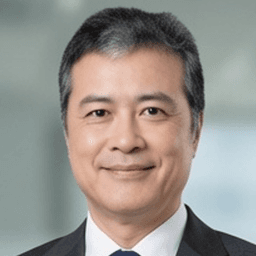
Japanese Reiki Shihan · traditional Usui Reiki, taught and certified in person
- ●Japanese Reiki Shihan (師範 / Reiki Master)
- ●Trained in the traditional Japanese Usui lineage
- ●20+ years of daily practice · teaches in person
- ●Former IT engineer & founder — grounded, no hype
I'm a Japanese Reiki Shihan who learned in the traditional Usui lineage and has practised every morning for over twenty years. My background is in IT and business, not the spiritual scene, so I write about Reiki plainly — what it is, how to practise it, and what it's honestly like — with no medical claims. Based in the Philippines, where I teach in person.
Enjoy this article?
Get honest, grounded writing on traditional Japanese Usui Reiki straight to your inbox.
Related Articles

A Reiki Trial That Included a Sham Group
A 2026 trial compared Reiki against sham Reiki in 60 ventilated ICU patients. An honest reading of what the results support.
8/18/2026

Why Most Reiki Studies Cannot Be Compared With Each Other
People ask what the research says as though the studies can be added together. Four ordinary differences block comparison.
8/17/2026

What the Reiki Trials Now Running Will and Will Not Settle
Fourteen Reiki trials are registered as recruiting or active. Twelve enrol under 100 people and four have no blinding.
8/16/2026

Why I Send People to NCCIH: Reiki Not Clearly Shown to Work
A federal health agency says Reiki has not been shown effective. A practitioner explains why he quotes it in full.
8/15/2026
Ten Brazilian Nurses, Five Reiki Sessions, No Control Group
A 2025 Brazilian study interviewed ten nurses after five Reiki sessions. Reading it honestly means knowing what it cannot show.
8/14/2026

Ten Years of Hospital Reiki and What the Anxiety Data Says
A cancer institute's ten-year Reiki programme and an 824-person anxiety meta-analysis say different things, and the honest reading sits in the gap between them.
8/13/2026