Do You Have to 'Believe' in Reiki for It to Work?
No, you do not have to believe in Reiki for a session to be worth doing. How openness differs from faith, and the placebo question.

Japanese Reiki Shihan (師範) · traditional Usui Reiki · 20+ years of daily practice
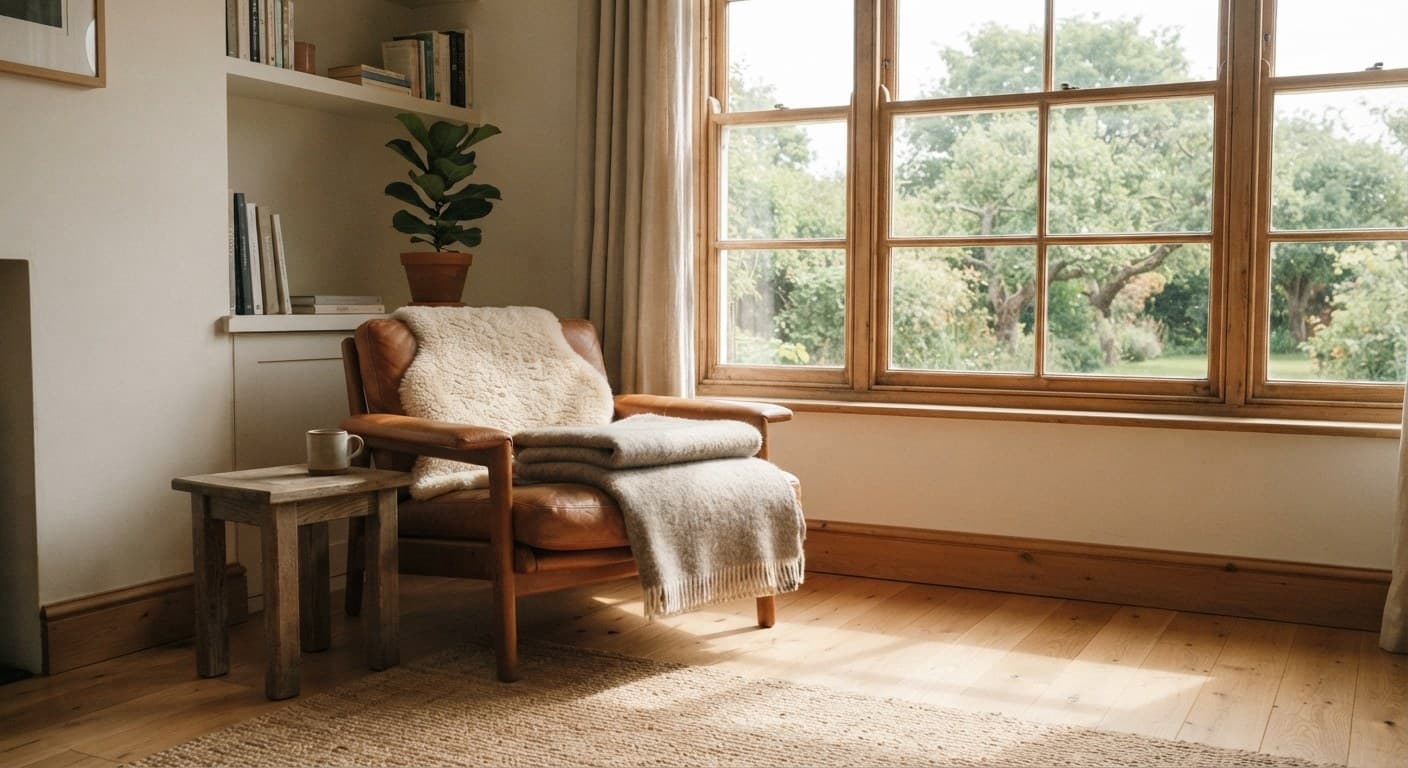
It is the question skeptics ask me most, usually with a slightly challenging tone: "Don't you have to believe in Reiki for it to do anything?" It is a fair and important question, and my honest answer often surprises people. No — you do not have to believe in Reiki for it to be worth doing. As a Reiki Shihan (師範: master-teacher) of more than twenty years, and someone who came to this with a rational, former-engineer mind, I want to explain plainly why belief is not the entry ticket, and what actually matters instead.
Key Takeaways
- You do not need to believe in Reiki for it to be worth doing. A session offers calm, unhurried rest and attentive touch, and those are settling whether or not you hold any theory about "energy."
- "Belief" and "openness" are different things. You need no faith, but a willingness to relax and receive helps — the same way it would for a massage or a quiet walk.
- Whatever the mechanism, the honest, observable offer of Reiki is modest and real: a calmer body and a quieter mind for a while, with no belief required to accept it.
Key Terms Explained
- 靈氣 (Reiki) / Universal Energy — The practice of connecting with a universal, calming energy through quiet, intentional attention and touch.
- 師範 (Shihan) / Master-Teacher — The level qualified to teach and attune others in the tradition.
- プラセボ (Purasebo) / Placebo — A benefit that arises from expectation and context rather than a specific mechanism; often raised by skeptics discussing Reiki.
The Question Behind the Question
When someone asks whether you have to believe in Reiki, they are usually asking something deeper: "Is this going to require me to switch off my critical mind?" I understand the worry completely, because I have that critical mind myself. I spent years of my working life as an engineer, and I never left my skepticism at the door when I came to Reiki. If the practice had required me to simply believe, I would have walked away.
So let me be direct. I did not arrive at Reiki through faith. The person who first told me about it was a practical, successful businessperson, not a mystical type at all, and my first impression had nothing to do with belief. Over more than twenty years, no one has ever asked me to believe anything for a session to proceed. What Reiki asks of you is not faith. It asks only that you lie down, stop rushing, and allow yourself to rest.
Related: Is Reiki a Religion? No — Here's What It Actually Is explains this in detail.
Belief, Openness, and the Honest Answer
Why Belief Is Not Required
Reiki is not a proposition you agree to; it is an experience you receive. You can lie on the table as skeptical as you like about "universal energy" and still feel your shoulders drop, your breathing slow, and your mind quiet. None of that requires you to sign up to a theory. In this, Reiki is closer to a warm bath or a quiet walk than to a belief system — you do not have to "believe in" a hot bath for it to relax you.
Related: Reiki-Infused Massage Is Taking Over Spas: An Honest Look at the Trend explains this in detail.
Where Openness Genuinely Helps
That said, I want to be honest rather than absolute. Belief is not needed, but openness helps — and the two are not the same thing. If you spend the whole session tense, arms folded, mentally arguing, you make it hard to relax, and relaxation is most of what is on offer. The same is true of a massage: you need not believe anything, but you do need to let yourself receive it. A willingness to set critical analysis aside for thirty minutes is not faith; it is simply the posture in which rest becomes possible.
The Placebo Question, Met Honestly
Skeptics often raise プラセボ (purasebo: placebo) — the idea that any benefit is just expectation. I do not run from this. It may well be that expectation and a calm setting are part of why people feel better. But notice what that argument concedes: that people do feel calmer and lighter after a session. Whether we call the cause "energy," "attention," or "context," the honest, observable result is a person who is more settled than before. I make no grand claims beyond that, and I will say plainly what I always say: Reiki is a practice of relaxation and calm attention. It does not diagnose, treat, or remove illness, and belief would not change that either way.
Related: An Engineer's Honest Take on Reiki: What I Am Willing to Claim, and What I Am Not explains this in detail.
An Engineer's Bottom Line
If I strip this down to what I can honestly stand behind, it is simple. You do not need to believe in Reiki. You do not need to accept any metaphysics, adopt any worldview, or switch off your judgment. What you need is a willingness to stop, lie down, and let yourself rest for a while — and even that is an invitation, not a requirement.
If, after a session, you feel calmer and lighter, you are free to explain it however you wish: energy, attention, placebo, or simply the rare gift of thirty unhurried minutes. The explanation is yours to keep. The rest is real regardless. And if Reiki is not for you at all, that is completely fine too — there is a right time and a right practice for everyone, and no belief is required to walk away either.
FAQ
Q: I'm a total skeptic. Is there any point in me trying Reiki?
A: Yes. You can remain fully skeptical and still experience a session as deeply unhurried rest with calm, attentive touch. You are not required to believe anything or reach any conclusion. Treat it as rest, and judge only by how you feel afterward.
Q: If it's "just placebo," isn't that the same as it not working?
A: Not quite. Even if expectation and setting play a role, the observable result — feeling calmer and lighter — is still real for the person experiencing it. I make no claims beyond relaxation and well-being, so "just calm" is exactly what I promise, by whatever mechanism.
Q: Does believing more make Reiki work better?
A: Belief is not the lever; openness is. You do not need faith, but relaxing and allowing yourself to receive helps, just as it would in a massage. Tension and mental arguing during the session mainly make it harder to rest, which is most of what is on offer.
Q: Can Reiki replace medical treatment if I believe strongly enough?
A: No, and please be wary of anyone who says otherwise. Belief does not turn Reiki into medical care. It supports relaxation and well-being; medical concerns belong with medical professionals. A responsible practitioner will always say the same.
Key Insights to Remember
- Reiki is received, not agreed to. Because a session offers rest and calm attention rather than a proposition, you can benefit from it while remaining as skeptical as you like about how it works.
- Belief and openness are different, and only the second one matters. No faith is required; a simple willingness to relax and receive — the same posture you would bring to a massage — is all that helps.
- The honest offer is modest and belief-proof: a calmer body and a quieter mind for a while. Whether you attribute that to energy, attention, or placebo, the rest itself is real, and it asks nothing of your convictions.
Sources & References
About the author
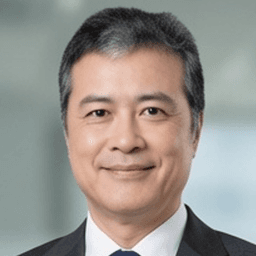
Japanese Reiki Shihan · traditional Usui Reiki, taught and certified in person
- ●Japanese Reiki Shihan (師範 / Reiki Master)
- ●Trained in the traditional Japanese Usui lineage
- ●20+ years of daily practice · teaches in person
- ●Former IT engineer & founder — grounded, no hype
I'm a Japanese Reiki Shihan who learned in the traditional Usui lineage and has practised every morning for over twenty years. My background is in IT and business, not the spiritual scene, so I write about Reiki plainly — what it is, how to practise it, and what it's honestly like — with no medical claims. Based in the Philippines, where I teach in person.
Enjoy this article?
Get honest, grounded writing on traditional Japanese Usui Reiki straight to your inbox.
Related Articles

An Engineer's Honest Take on Reiki
Two short lists: what I am willing to claim about Reiki after twenty years of daily practice, and what I refuse to say.
7/30/2026

Reiki Has Nothing to Do With Ghosts or the Occult
Why Reiki has nothing to do with ghosts, spirits, or the occult — where the confusion comes from, and what the practice is.
7/27/2026
Is Reiki a Religion? No — Here's What It Actually Is
Reiki is not a religion — it has no deity, doctrine, or worship. What it actually is, and why it sits beside any faith.
7/25/2026
I Don't Feel Anything: Why That's Normal at First
After my first attunement I felt almost nothing for two whole weeks, and that is normal — here is what Reiki quietly does before you ever notice it.
7/12/2026
Who Was Mikao Usui? Reiki's Founder Beyond the Legends
Mikao Usui was a Japanese seeker who framed Reiki as connecting with universal energy, and much of the legend around him was added long after his death.
7/1/2026