Reiki Training in the Philippines: How to Choose a Course
Choosing Reiki training in the Philippines? Here are seven questions to ask before you book, how the levels are spaced, and what a Makati course involves.

Japanese Reiki Shihan (師範) · traditional Usui Reiki · 20+ years of daily practice

Key Takeaways
- Reiki training in the Philippines can mean an in-person course with an attunement, an online theory course, or an attunement given over a video call. These are three different products, and the tradition I teach includes the attunement only in the first.
- Before you book, ask seven questions. They cover lineage, whether the attunement is in person, group size, support after the day, what the certificate says, payment and refund terms, and whether you can talk to the teacher first.
- Space the levels out. I ask for at least three weeks of daily practice between Level 1 and Level 2, and at least six months of regular practice before Master. A course that compresses all three into one weekend is selling speed, and the practice is what takes the time.
Key Terms Explained
- 靈授 (Reiju) / Spiritual Blessing — the attunement, passed from teacher to student in the same room.
- 初伝 (Shoden) / First Teachings — the traditional name for Level 1, where the practice is turned toward yourself.
- 奥伝 (Okuden) / Inner Teachings — Level 2, where the symbols, distant Reiki and work with other people are taught.
- 師範 (Shihan) / Teacher — a person authorised within a lineage to give Reiju and to teach.
Why I Ask Questions Before I Recommend Any Reiki Course
I live in the Philippines and teach Reiki here, so people sometimes ask me where they should learn it. My first answer is a list of questions, not the name of my own course. A course costs a day or two of your time and a fee, and the right teacher for you may well be someone else.
I should say where I am coming from, because it shapes the questions. I learned Reiki in the traditional Japanese line that goes back to Usui himself, passed directly from teacher to student rather than through the Western branches. I went on to become a Shihan because I thought teaching would let me help more people than practising alone could.
I teach the same way I was taught, one level at a time and always in person. That is one way to teach among several, and I will point out where other teachers usually differ.
What follows is how I would choose if I were standing where you are. The questions apply to any teacher, me included. My own course details are near the end, so you can hold them up against the same list.
Three Different Things People Call Reiki Training
The phrase covers at least three products, and mixing them up is the most common reason people end up disappointed. Before comparing prices or dates, work out which of the three a teacher is actually offering.
An in-person course with an attunement
This is how Reiki was passed on in the Japanese tradition. You sit in the same room as a teacher, receive 靈授 (Reiju), and practise with the teacher watching. In my case each level is a single day, so it needs a date and a place, and it needs you to be there.
Why the room matters is explained in Why I Teach Reiju (Attunement) In Person, Not Over Zoom, so I will not repeat it here.
An online theory course
History, the Five Precepts, the daily routine and the manual can all be learned on a screen, and that is good preparation. What such a course cannot contain is an attunement. My own online course says so plainly on its page, and its fee is credited toward any in-person course if you later come to Makati.
If you live outside the Philippines, this is where I would start. You can read and practise the routine before deciding whether to travel.
An attunement over a video call
Some teachers offer to give the attunement remotely. It exists, and I do not judge people who choose it. I teach differently, and I think you should know which of the two you are buying before you pay, because a certificate for one is not evidence of the other.
Whichever route you look at, ask the teacher to say in one sentence which of the three they are selling. A clear answer is a good start. A long answer about energy that never reaches the word "online" or "in person" tells you something too.
Seven Questions to Ask Before You Book
Send these by email before you pay anything. The answers are more useful in writing, and a teacher who answers them without discomfort is showing you how they run everything else.
- Whose line do you teach in? A good answer is a chain of names from Usui to your teacher, which the teacher is willing to write on your certificate.
- Is the attunement given in person? The answer should be a plain yes or no. Vagueness about how it happens is a reason to ask again.
- How many people will be in the room? A small group, or a private option, means you can ask questions. In a large group you may never speak to the teacher.
- What happens after the day? Some kind of practice guide and a way to ask questions for a few weeks is what to look for.
- What does the certificate say? It should name the lineage. It should not present itself as a licence to treat illness.
- What are the payment and refund terms? You should get them in writing, before you pay.
- Can I talk to you first? A teacher who says "this may not be the right time for you" is being more honest than one who pushes you to book.
Three of these deserve a closer look.
The lineage question is easy to test
Ask the teacher to write out who taught them, and who taught that person, as far back as they can. The certificate I give records the line from Usui down to you, so every student can read it.
A teacher who cannot name their own teacher is not necessarily a poor one, but you should know that before you book. A long list of names does not make someone a better teacher either. It tells you what you are being taught, which is why it is worth asking.
What should exist after the day
The questions that matter most usually arrive around the tenth day of practice, not on the day of the course. That is why Level 1 with me includes a 21-day practice guide and one 30-minute follow-up call.
Ask any teacher what comes after the day and how long you can write to them, and treat "nothing" as an answer.
Price and refunds
I have covered how to read a price, when free sessions are fine and how prepayment can trap you in What Reiki Should Cost: An Honest Look at Pricing, Free Sessions, and Red Flags. For choosing a course, the short version is this: get what is included, what follows the day and the refund terms in writing before you pay.
My own are shown on the courses page, including the 20% deposit and the rescheduling and cancellation rules.
How the Levels Are Spaced
Most people ask about Level 1 first and then ask how fast they can finish all three. I ask them to slow down, and this is the spacing I use.
- Level 1 (Shoden): one day, no prerequisite.
- Level 2 (Okuden): Level 1 and at least 21 days of daily practice. A Level 1 from another lineage is accepted after a short review.
- Level 1 + 2 bundle: two separate days, at least 21 days apart. It is never one weekend.
- Master (Shihan): Level 2, at least six months of regular practice, and a short conversation beforehand.
The gaps are the point. Level 2 builds on a routine you have already lived with, and a student who arrives without three weeks of practice has nothing to build on. The six months before Master exist because giving Reiju to other people is a responsibility, and you should practise long enough to know whether you want it.
None of this means you need all three levels. Level 1 is a complete practice on its own, and what the day actually contains is described in Usui Reiki Level 1 (Shoden): What the Course Actually Covers in One Day.
Training in Makati: The Practical Details
My courses are taught in Makati City, Metro Manila. The exact venue is shared once your booking is confirmed. Groups are two to four people, with a private option, and the language is English, or Japanese on request.
A 20% deposit reserves your date, and the balance is paid on the day. In person you can pay in cash, by GCash or by bank transfer to BPI or BDO. From outside the Philippines, PayPal or Wise works.
I have left the fees and current dates out of this article on purpose. They live on the courses page, and a number in a blog post can go out of date without anyone noticing.
Choosing Like an Engineer
I spent most of my working life in IT, and I still choose things by writing the requirements first. Write down what you want from the training. It might be a daily routine for yourself, a way to be calmer around your family, or a path to teaching one day.
The first two need Level 1 and nothing more. The third is a long road with a six-month gap built in, and it is better to know that at the start than to find it out at Level 2.
Then write down what you do not want. Reiki is a relaxation practice. It is not medical care, and it does not diagnose or treat anything. If you are hoping to address an illness, a course is the wrong route, and a teacher who suggests otherwise is telling you something about themselves.
Put the two lists next to the answers to the seven questions, and the choice usually makes itself. If none of the teachers you contact feels right, that is a real result. Waiting a few months costs you very little, and there is a right time for most things.
When I moved to the Philippines I had no job and no plan. It took me more than ten years to see that the move had opened the biggest opportunity of my life, so I no longer trust my first read on timing. There is no deadline here. If you read all of this and feel no pull toward Reiki, that is a perfectly good outcome too. I have never seen any benefit in pushing someone toward it.
FAQ
Q: Do I have to be in Manila to train in Reiki in the Philippines? A: For the attunement, yes, because I give it in person, in Makati. The theory can be studied online from anywhere, and I offer it that way. There is also a waitlist for a small-group retreat in Japan, and the dates go to the newsletter first.
Q: Can I do Level 2 with a teacher who did not teach my Level 1? A: With me, yes. I accept a Level 1 from another lineage after a short review, and I ask for at least 21 days of daily practice first. Other teachers have their own rules, so ask before you book.
Q: Is a Reiki certificate from a course in the Philippines a professional qualification? A: No. A Reiki certificate, mine included, records the lineage behind your training. It is not a professional licence, and it does not qualify anyone to diagnose or treat illness.
Key Insights to Remember
- Start by finding out which of the three products a teacher is selling. An in-person course, an online theory course and a video-call attunement are different things, and the price and the certificate mean something different in each.
- The seven questions matter more than any single answer. A good teacher answers them in writing, without discomfort, and is willing to tell you when it is not the right time.
- The gaps between levels are where the practice happens. Three weeks before Level 2 and six months before Master give the later levels something to build on.
Sources
About the author
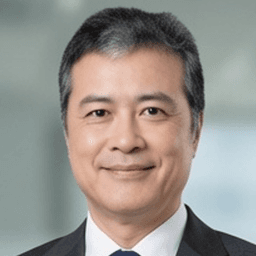
Japanese Reiki Shihan · traditional Usui Reiki, taught and certified in person
- ●Japanese Reiki Shihan (師範 / Reiki Master)
- ●Trained in the traditional Japanese Usui lineage
- ●20+ years of daily practice · teaches in person
- ●Former IT engineer & founder — grounded, no hype
I'm a Japanese Reiki Shihan who learned in the traditional Usui lineage and has practised every morning for over twenty years. My background is in IT and business, not the spiritual scene, so I write about Reiki plainly — what it is, how to practise it, and what it's honestly like — with no medical claims. Based in the Philippines, where I teach in person.
Enjoy this article?
Get honest, grounded writing on traditional Japanese Usui Reiki straight to your inbox.
Related Articles
Usui Reiki Level 1 (Shoden): What the Course Actually Covers in One Day
Usui Reiki Level 1 (Shoden) is one in-person day: one attunement, a self-practice routine, and the Five Precepts. Here is what it covers and leaves out.
9/16/2026
The 21 Days After an Attunement: What I Ask Students
Why I give new Reiki students an instruction rather than an explanation for their first three weeks, and why I refuse to call any of it purification.
8/14/2026
The Questions I Ask Before Agreeing to Teach
A Japanese Reiki Shihan on the questions asked before accepting a student, and why 'not yet' is sometimes the kindest answer.
8/9/2026

What Reiki Should Cost: Pricing and Red Flags
There is no standard price for Reiki, which is what makes it hard to judge. Four pricing patterns worth walking away from.
8/5/2026
What a Reiki Certificate Should and Shouldn't Mean
A Reiki certificate records that you received reiju in person — it never certifies healing power, and that honest distinction is the heart of the Usui path.
7/10/2026
Why I Teach Reiju (Attunement) In Person, Not Over Zoom
Reiju, the traditional Usui attunement, is a transmission of presence — the honest reason I still teach it in the same room, never over a screen.
7/9/2026