Certified Reiki Master: What the Master Level Lets You Do
A certified Reiki master can give attunements (reiju) and issue certificates. What the Usui Master course covers, who can take it, and what the title is not.

Japanese Reiki Shihan (師範) · traditional Usui Reiki · 20+ years of daily practice
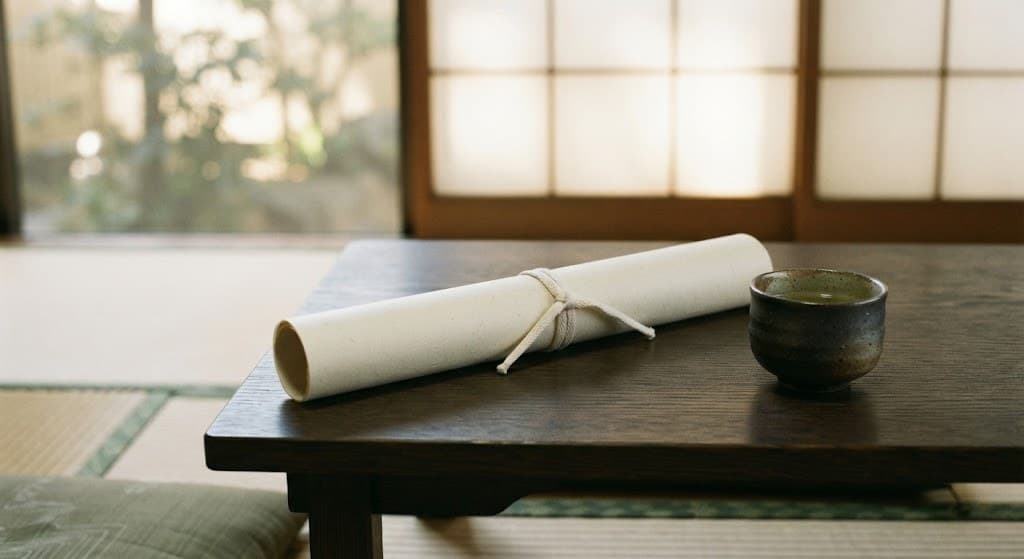
- A certified Reiki master is a teacher. In traditional Usui Reiki, the Master level is the stage at which you can give attunements (reiju, the moment the teacher passes Reiki on to the student) to other people and issue your own certificates.
- Know what the Master course includes. At Ayama, the course includes the Master attunement and the Master symbol, training in giving reiju at each level, teaching materials, a certificate that documents your lineage (the line of teachers back to Usui), and three months of mentoring.
- The title is not protected, so check what stands behind it. No central authority controls the words "reiki master". Before you choose a Master course, look at the lineage, whether reiju is given in person, the prerequisites, and the support after the course.
Many people search for "certified reiki master" when they want to know what the title actually means. Is it a qualification, a rank or simply a word on a certificate? This guide explains what a certified Reiki master has received and is able to do in traditional Usui Reiki. It focuses on the Master course, called Shinpiden in Japanese, and on the conditions for taking it.
What "certified Reiki master" means, briefly
In general use, "Reiki master" means a Reiki practitioner who teaches. Wikipedia sums up the wider position: no central authority controls the words "reiki" or "reiki master", and there is currently no worldwide standard for Reiki certification. It also notes that it is "not uncommon" for a course to offer the title of Reiki master in two weekends.
At Ayama Reiki, a certified Reiki master is a teacher: someone who can give attunements (reiju) to other people and issue certificates. Ayama's course page describes the aim of the Master course in one line: to learn to attune and certify others, and to carry the lineage forward.
What a certificate itself does and does not prove is covered in What a Reiki Certificate Should and Shouldn't Mean. The rest of this article is about the Master level.
Where the Master level sits in traditional Usui Reiki
The three stages of transmission
According to the Japanese Wikipedia article on Reiki, Mikao Usui divided the transmission of Reiki into three stages: Shoden ("first teaching"), Okuden ("inner teaching", in two parts) and Shinpiden ("mystery teaching"). The same article notes that this followed the usual way of training students in Japanese healing arts of the time. In English, these stages became the First Degree (Level 1), the Second Degree (Level 2), and the Third Degree or Master's Degree.
The attunement is the moment the teacher passes Reiki on to the student. In the Japanese tradition it is called reiju, which Ayama gives in person.
Usui settled in Harajuku, Aoyama, Tokyo, in April 1922 and set up his society there. According to the inscription on his memorial stone, he taught Reiki to over 2,000 people in his lifetime. The English title "Reiki Master" appears later in this history. An archival record of the period states that Hayashi Sensei, a Reiki teacher, initiated Hawayo Takata as a Reiki Master in February 1938. She took what she had learned to Hawaii and went on to train twenty-two masters.
Related: Usui Reiki Practitioner: What the Word Usui Tells You explains this in detail.
Shihan is a separate step
At Ayama, Shihan (師範, "teacher" or "instructor") is treated as a separate step from Shinpiden. Finishing the Master course does not make you a Shihan. How the stages fit into a realistic timeline is covered in How Long Does It Take to Become a Reiki Master?
Why lineage matters at the Master level
A lineage is the line of teaching that your teacher has been trained in, similar to a family tree. As one Reiki teachers' association puts it, a teacher's lineage reflects the information the teacher will pass on to the student.
This matters most at the Master level, because a master passes the lineage on to new students. I learned Reiki in a traditional Japanese lineage that traces back to Usui, not through Western Reiki. That line is what an Ayama Master certificate records.
Related: Usui Reiki Level 2 (Okuden): What You Learn and When explains this in detail.
What the Master course covers at Ayama
Ayama's Master course runs over two days in person in Makati, followed by three months of mentoring. Each course is for one or two people. It includes:
- the Master attunement and the Master symbol
- how to give attunements (reiju) at each level
- teaching materials you may reuse with your own students
- a Master certificate with documented lineage
- three months of mentoring by email and video call
The Master attunement and the Master symbol
Reiki symbols are traditionally kept private. They are passed on only through the attunement, not through books or websites. Today, images of the symbols come up in any search. That is exactly why I think receiving the Master symbol properly, in person, still has meaning.
Related: Teaching Reiki Over Zoom, Ending In Person explains this in detail.
Learning to give reiju at each level
This is the core of the course and the real difference between a practitioner and a master. A practitioner gives Reiki sessions. A master can also give the attunements for Level 1, Level 2 and Master, so that students receive Reiki from them.
As the course page puts it, in the Japanese tradition the attunement is passed on in person. Some parts of Reiki can be studied online: its history, the Five Precepts (Gokai, the five principles for daily life) and the steps of daily self-practice. Reiju is the one part that can only be given face to face.
Teaching materials and the certificate
A master needs materials to teach from. The course includes teaching materials that you may reuse with your own students. You also receive a Master certificate that documents your lineage, so your future students can see where their teaching comes from.
Three months of mentoring
The two days in person cover the attunement and how to give reiju. Learning to teach continues after that. For three months after the course, I stay in touch by email and video call. During that time I check two things: whether your daily practice continues, and whether your understanding and attitude as a teacher are growing.
Prerequisites, and why they exist
To join the Master course at Ayama, you need:
- Level 2 (Okuden)
- at least six months of regular practice
- a short conversation with me beforehand
These conditions exist for one reason. To give attunements and certificates to other people, a teacher needs enough experience, real ability, a good fit for the role, and a serious commitment to teaching. The six months and the conversation give both of us a chance to see whether these are in place.
Steady practice, not dramatic feelings
Six months of regular practice is about steadiness, not long or intense sessions. After my own first attunement, I practised for about 20 minutes a day for two weeks without missing a day, and at first I felt almost nothing. Feelings vary, so they are a poor measure of progress. Keeping up the practice is what counts.
More concentration and longer sittings do not make Reiki work better. Relaxation matters most. My own morning practice now takes about five minutes, and short sessions like this are enough.
If you are just starting, the path at Ayama is Level 1, then Level 2, then at least six months of practice, then the Master course. What Level 2 covers is explained in Usui Reiki Level 2 (Okuden): What You Learn and When. What you learn at each stage is explained in Reiki Level 1, 2, and Master: What You Learn at Each.
What a certified Reiki master can and cannot claim
What the title can mean
A Reiki master from a traditional course has received the Master attunement and the Master symbol. They have learned to give reiju at each level, and they can issue certificates that record the lineage. The UK government's careers service describes the same structure: you can train with a Reiki master to become a practitioner by going through a series of attunements. It adds that becoming a full Reiki master who teaches can take up to three years of training.
What the title does not mean
A Master certificate is not a medical qualification. Ayama's course page says it plainly: Reiki is a relaxation practice. It is not medical treatment, and it does not diagnose, cure or replace care from a doctor. A master teaches this to every student, and should never suggest anything else.
The title is also not a licence. Since no central authority controls it, the words "Reiki master" on a certificate tell you little on their own. In the UK, Reiki healers can join a voluntary register run by the Complementary and Natural Healthcare Council (CNHC), but joining is not a legal requirement.
What a master passes on to students
A master teaches technique, and also restraint. I never send distant Reiki to anyone who has not asked for it, and this is the first restraint I want students to learn. I also never push Reiki on anyone. If someone is not interested yet, it is simply not their time.
What to check before you choose a Master course
Because the title is not regulated, it helps to ask any teacher a few direct questions:
- Which lineage will I receive? Ask whether the certificate documents the line of teachers back to Usui.
- Will the Master attunement be given in person? Reiju and the symbols are passed on face to face in the Japanese tradition.
- What experience do you require first? A course with no prerequisites is asking you to attune others without much practice of your own.
- What support is there after the course? Becoming a teacher continues after the course ends.
How Ayama teaches the Master level
I trained up to Shihan because I believed that teaching would let me help more people than I could on my own. The full story is in Why I Became a Reiki Master.
The Master course is taught in person in Makati, for one or two people at a time. You receive your attunement and certificate in person, and then we continue for three months by email and video call. Course details are on the courses page.
Frequently asked questions
Can I become a certified Reiki master online?
Not at Ayama. In the Japanese tradition the attunement is passed on in person, so the Master attunement and the certificate are given face to face. You can study history, the Five Precepts and self-practice online, but reiju cannot be received online.
Is a Reiki master the same as a Shihan?
At Ayama, no. The Master course (Shinpiden) teaches you to attune and certify others. Shihan is a separate step. See How Long Does It Take to Become a Reiki Master? for how the stages fit together.
How long does it take to become a certified Reiki master?
At Ayama, you need Level 2 and at least six months of regular practice before the Master course. The course itself is two days in person, plus three months of mentoring. The UK careers service notes that becoming a full Reiki master who teaches can take up to three years of training.
Can I teach my own students after the Master course?
That is the purpose of the course. You learn to give reiju at each level, and you receive teaching materials you may reuse with your own students. The three months of mentoring are there to support you as you start.
Summary and Next Step
A certified Reiki master, in traditional Usui Reiki, is a teacher who can give attunements and issue certificates. Before you take that step, or choose a teacher who claims the title, keep these points in mind:
- What you receive: the Master attunement and the Master symbol, training in giving reiju at each level, teaching materials, and a certificate with documented lineage.
- What comes first: Level 2, at least six months of regular practice, and a short conversation with the teacher.
- What support follows: at Ayama, three months of mentoring by email and video call, focused on your daily practice and your growth as a teacher.
- What the title is not: it is not a medical qualification or a licence, and Shihan is a separate step.
Ayama Reiki teaches traditional Japanese Usui Reiki in person in Makati, Metro Manila, in a lineage that traces back to Usui. If you hold Level 2 and are ready to pass Reiki on to others, see the courses page for details, or get in touch to arrange the short conversation before the Master course.
Sources
- Ayama Reiki, Courses: https://www.ayamareiki.com/courses
- Wikipedia, "Reiki": https://en.wikipedia.org/wiki/Reiki
- Wikipedia (Japanese), "レイキ": https://ja.wikipedia.org/wiki/%E3%83%AC%E3%82%A4%E3%82%AD
- Wikipedia, "Mikao Usui": https://en.wikipedia.org/wiki/Mikao_Usui
- Archival collection guide (oac.cdlib.org): https://oac.cdlib.org/findaid/ark:/13030/c8k3615r
- reikifed.co.uk, on Reiki lineage: https://reikifed.co.uk/?p=17371
- National Careers Service (UK), Reiki healer job profile: https://nationalcareers.service.gov.uk/job-profiles/reiki-healer
About the author
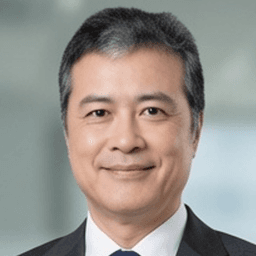
Japanese Reiki Shihan · traditional Usui Reiki, taught and certified in person
- ●Japanese Reiki Shihan (師範 / Reiki Master)
- ●Trained in the traditional Japanese Usui lineage
- ●20+ years of daily practice · teaches in person
- ●Former IT engineer & founder — grounded, no hype
I'm a Japanese Reiki Shihan who learned in the traditional Usui lineage and has practised every morning for over twenty years. My background is in IT and business, not the spiritual scene, so I write about Reiki plainly — what it is, how to practise it, and what it's honestly like — with no medical claims. Based in the Philippines, where I teach in person.
Enjoy this article?
Get honest, grounded writing on traditional Japanese Usui Reiki straight to your inbox.
Related Articles
Usui Reiki Practitioner: What the Word Usui Tells You
A Usui Reiki practitioner's line of teaching goes back to Mikao Usui. See what the word Usui tells you, and what it leaves out: branch, level and results.
10/31/2026

Reiki Learning Online: Study at Home, Get Reiju in Person
Reiki learning online: the history, Five Precepts and daily self-practice you can study at home, why reiju is given in person, and how to prepare for Level 1.
10/25/2026
Certified Reiki Practitioner: Before You Treat Others
What a certified Reiki practitioner needs before treating others: how much practice to log, getting consent, when to refer to a doctor, and what law to check.
10/12/2026

Usui Reiki Level 2 (Okuden): What You Learn and When
Usui Reiki Level 2 (Okuden) from a Shihan: what you learn, the 21-day rule after Level 1, what the one-day class covers, and what it does not promise.
10/2/2026
Reiki Training and Certification Classes in the Philippines
Comparing Reiki training and certification classes in the Philippines? Seven questions to ask before you book, and how the levels are spaced.
9/24/2026
Usui Reiki Level 1 (Shoden): What the Course Actually Covers in One Day
Usui Reiki Level 1 (Shoden) is one in-person day: one attunement, a self-practice routine, and the Five Precepts. Here is what it covers and leaves out.
9/16/2026