Is Reiki a Religion? No — Here's What It Actually Is
Reiki is not a religion — it has no deity, doctrine, or worship. What it actually is, and why it sits beside any faith.

Japanese Reiki Shihan (師範) · traditional Usui Reiki · 20+ years of daily practice
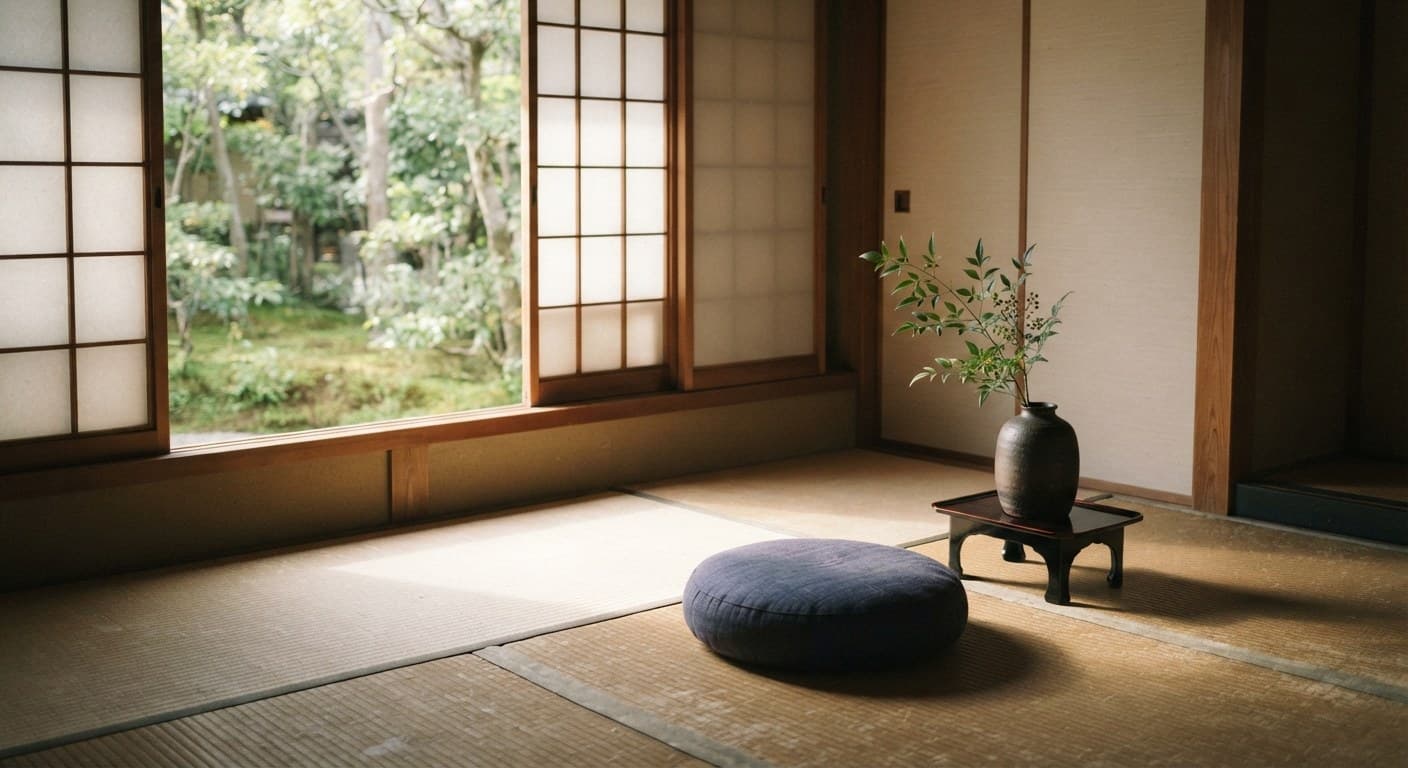
The single question I am asked most often, before anyone signs up for a class, is some version of this: "Will Reiki conflict with my faith?" Or sometimes, more bluntly: "Is Reiki a religion?" It is a fair question, and it deserves a straight answer rather than a mystical dodge. The short answer is no — Reiki is not a religion. This article explains what Reiki actually is, why the confusion is understandable, and how it sits alongside any belief system, or none at all.
Key Takeaways
- Reiki is a practice, not a religion. It has no deity to worship, no doctrine to accept, no scripture, no congregation, and no requirement to believe anything in particular.
- The confusion comes from surface features — the word 靈氣 (Reiki) sounds mystical, the founder had a Buddhist background, and it involves quiet, hands-on stillness that can look devotional. None of these make it a religion.
- Because Reiki asks for no belief and worships nothing, people of any faith, and people of no faith, practise it without contradiction. It sits beside your beliefs rather than competing with them.
Key Terms Explained
- 靈氣 (Reiki) / Universal Energy — The practice of connecting with a universal, life-giving energy through calm, intentional touch and attention.
- 臼井甕男 (Mikao Usui) / The Founder — The Japanese man who systematized the Reiki method in the early twentieth century.
- 五戒 (Gokai) / The Five Precepts — Usui's short set of daily principles for living, closer to a wellbeing motto than a commandment.
- 師範 (Shihan) / Master-Teacher — The level qualified to teach and attune others in the tradition.
The Question Before the Question
In almost every first conversation with a prospective student, there is a pause, and then the careful question: does this go against what I already believe? I have come to welcome that pause. It tells me the person is thoughtful, and that they take their own faith or worldview seriously. I would rather answer it honestly at the start than have someone practise for months with a quiet worry in the back of their mind.
What I tell them is simple and true: I am a 師範 (Shihan: master-teacher) in the traditional Japanese Usui lineage, and in more than twenty years of daily practice I have never once been asked to worship anything, pray to any figure, or accept any article of faith. I did not come to Reiki through the spiritual scene at all. The person who first told me about it was already successful in ordinary business, getting real results in the real world — not a mystical type in the least. My very first impression of Reiki had nothing to do with the otherworldly image most people expect. That grounding is part of why I can say, plainly, that Reiki does not ask you to believe in it.
Related: Do You Have to 'Believe' in Reiki for It to Work? explains this in detail.
What Makes Something a Religion — and Why Reiki Isn't One
The Checklist Reiki Fails
It helps to be concrete about what a religion usually involves: a deity or deities to worship, a body of doctrine you are expected to accept, sacred texts, an organized community of the faithful, rituals of worship, and claims about the afterlife and salvation. Run Reiki against that list and it fails at every line. There is no god of Reiki. There is no creed you must affirm. There is no scripture, no salvation to be earned, no worship service. What there is, instead, is a method: a way of using calm, still, intentional touch and attention to help a person feel more settled and at ease.
Related: What Actually Happens in a Reiki Attunement (Reiju), and What Doesn't explains this in detail.
Where the Confusion Comes From
If Reiki is so clearly not a religion, why does the question keep coming up? Three honest reasons. First, the language. The word 靈氣 (Reiki) and talk of "universal energy" sound spiritual to Western ears, and unfamiliar spiritual-sounding words make people cautious. Second, the founder's background. 臼井甕男 (Mikao Usui: the founder) lived in a Japanese Buddhist cultural world, and some of his phrasing carries that flavor — but cultural background is not doctrine. Third, the posture. Reiki involves quiet hands, closed eyes, and stillness, which from the outside can resemble prayer. Resembling prayer is not the same as being it.
The Five Precepts Are Not Commandments
People sometimes point to the 五戒 (Gokai: the Five Precepts) as evidence that Reiki has a doctrine. Read them and you will see otherwise. They are gentle daily reminders — for today, do not anger; for today, do not worry; be grateful; work honestly; be kind to others. There is no threat of punishment, no promise of heaven, no god issuing the instruction. They read far more like a wellbeing motto you might put on your wall than like a religious commandment. I treat them as a way to steady the mind, not as a faith to sign.
Related: A New Survey Asks Who Actually Knows What Reiki Is — and the Honest Answer Is Uncomfortable for Everyone explains this in detail.
An Honest Word to the Skeptic and the Believer Alike
I spent years of my working life as an engineer and a founder, and that rational habit of mind never left me. So let me be honest in both directions.
To the religious reader worried about conflict: because Reiki worships nothing and demands no belief, it does not compete with your faith for the same space. It is closer to a breathing exercise or a quiet walk than to a rival religion. Many people continue their own faith fully and use Reiki simply as a way to feel calmer. If, after reading this, it still does not sit right with you, that is completely fine — there is a right time and a right practice for everyone, and no one should be pressured.
To the skeptic who suspects any talk of "energy" is disguised belief: you do not have to adopt any metaphysics to lie down and feel more relaxed after a session. I would never claim Reiki removes or fixes an illness — it does not, and anyone who promises that is overstepping. What I claim is modest and, in my experience, real: a calmer body, a lighter mood, a quieter mind for a while. You can receive that and remain as skeptical as you like about the rest.
FAQ
Q: Do I have to believe in Reiki for it to be worth doing? A: No. Reiki asks for no belief. You can approach it purely as calm, attentive rest and still find it settling. Belief is not the entry ticket.
Q: I am a committed member of my faith. Can I practise Reiki? A: Many people of many faiths do, because Reiki has no deity, doctrine, or worship of its own to conflict with yours. If you have specific concerns, speak with your own faith leader — I would never ask anyone to act against their conscience.
Q: If Reiki isn't a religion, what is it, in one sentence? A: It is a Japanese practice of using calm, intentional touch and attention to help a person feel more settled and at ease — a method, not a faith.
Key Insights to Remember
- The test of a religion is worship, doctrine, and belief, and Reiki has none of them. It is a practice you do, not a faith you join — which is why it can sit beside any belief system without competing with it.
- The confusion is understandable and worth respecting. Spiritual-sounding language, a founder from a Buddhist culture, and a prayer-like stillness all make Reiki look religious from the outside, even though none of them make it so.
- Honesty runs in both directions. Reiki asks the believer to give up nothing, and it asks the skeptic to accept no metaphysics — it only offers, to either one, a calmer and lighter state for a while, with no promises beyond that.
Sources
About the author
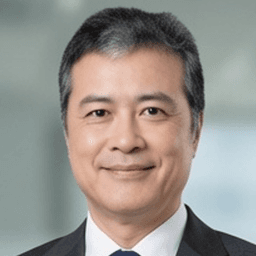
Japanese Reiki Shihan · traditional Usui Reiki, taught and certified in person
- ●Japanese Reiki Shihan (師範 / Reiki Master)
- ●Trained in the traditional Japanese Usui lineage
- ●20+ years of daily practice · teaches in person
- ●Former IT engineer & founder — grounded, no hype
I'm a Japanese Reiki Shihan who learned in the traditional Usui lineage and has practised every morning for over twenty years. My background is in IT and business, not the spiritual scene, so I write about Reiki plainly — what it is, how to practise it, and what it's honestly like — with no medical claims. Based in the Philippines, where I teach in person.
Enjoy this article?
Get honest, grounded writing on traditional Japanese Usui Reiki straight to your inbox.
Related Articles

An Engineer's Honest Take on Reiki
Two short lists: what I am willing to claim about Reiki after twenty years of daily practice, and what I refuse to say.
7/30/2026

Do You Have to 'Believe' in Reiki for It to Work?
No, you do not have to believe in Reiki for a session to be worth doing. How openness differs from faith, and the placebo question.
7/28/2026

Reiki Has Nothing to Do With Ghosts or the Occult
Why Reiki has nothing to do with ghosts, spirits, or the occult — where the confusion comes from, and what the practice is.
7/27/2026
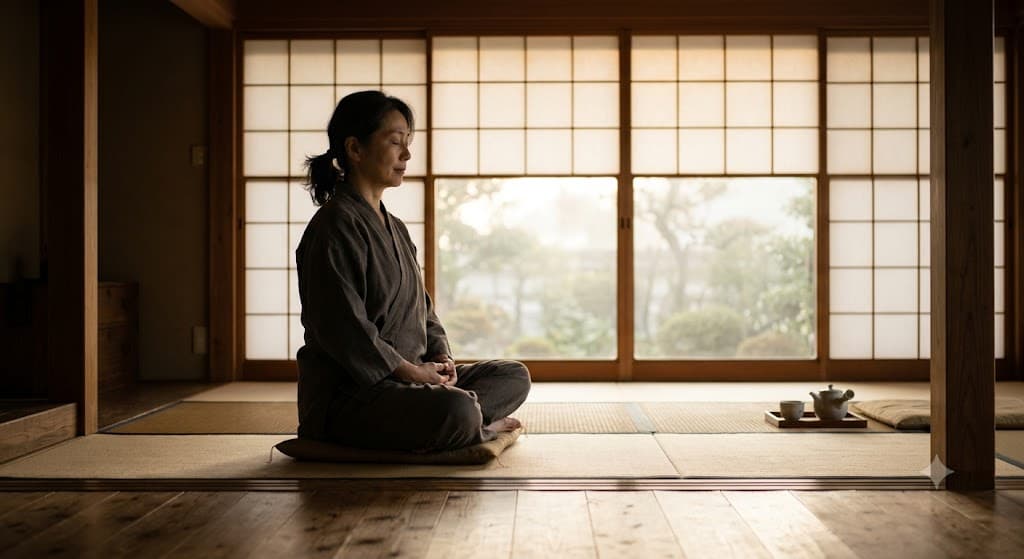
I Don't Feel Anything: Why That's Normal at First
After my first attunement I felt almost nothing for two whole weeks, and that is normal — here is what Reiki quietly does before you ever notice it.
7/12/2026
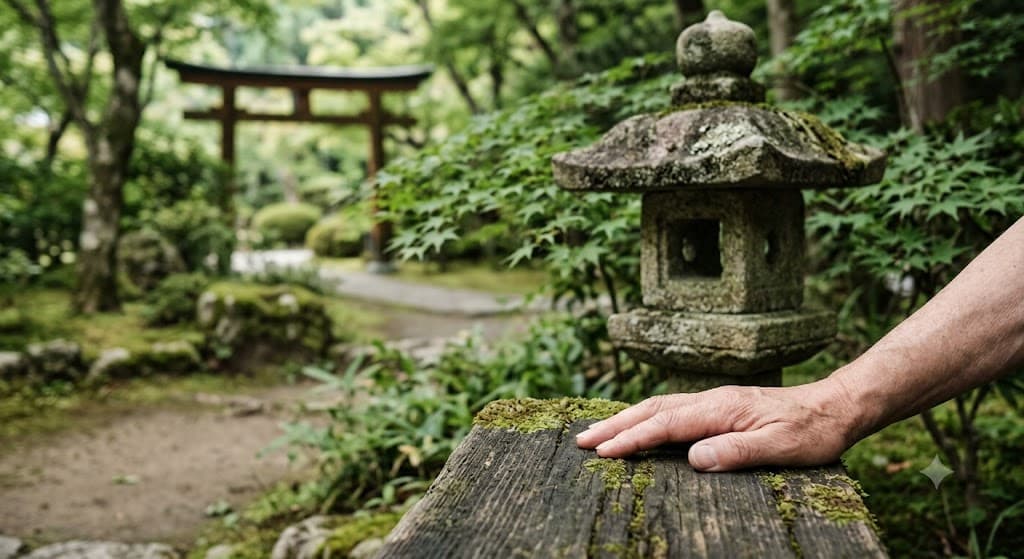
Who Was Mikao Usui? Reiki's Founder Beyond the Legends
Mikao Usui was a Japanese seeker who framed Reiki as connecting with universal energy, and much of the legend around him was added long after his death.
7/1/2026