How a Successful Businessman First Introduced Me to Reiki
I did not come to Reiki through the spiritual world. How a credible businessman changed what I thought it was.

Japanese Reiki Shihan (師範) · traditional Usui Reiki · 20+ years of daily practice

Key Takeaways
- I did not arrive at Reiki through the spiritual world. The person who first told me about it was someone already succeeding in business, which meant my first impression of the practice had nothing to do with the mystical framing most people expect.
- Who introduces you to something shapes what you think it is. Had the first person been a stereotypically spiritual figure, I would probably have declined, and I say that without embarrassment.
- Nothing dramatic happened when I started. The honest version of a beginning is usually less impressive than the version people tell later, and I would rather give you the honest one.
Key Terms Explained
- 靈氣 (Reiki) / Universal Energy — The practice of connecting with universal energy, done with light touch or the hands held just above the body.
- 靈授 (Reiju) / Attunement — The transmission given in person by a teacher, which is how the practice is passed on in the traditional lineage.
- 師範 (Shihan) / Master Teacher — The teaching level in the traditional Japanese structure, and the level I eventually trained to.
- 臼井甕男 (Mikao Usui) / Founder of the Usui System — The founder of the lineage I learned in.
The Man Who Told Me About It
I didn't come to Reiki through the spiritual world.
The person who first told me about it was someone already successful in business, getting real results in the real world, not a "spiritual" type at all. That mattered more than I understood at the time: my very first impression of Reiki had nothing to do with the mystical image most people expect.
I want to sit with that for a moment, because it is the actual subject of this article.
If the first person to raise the subject with me had been dressed for the part, speaking in the register that usually accompanies these topics, I am fairly confident I would have listened politely and never followed up. Not out of hostility. I had spent my working life around engineering and business, and I had a fairly ordinary set of filters. Somebody who had clearly not organised their own life well was not going to persuade me to reorganise mine.
What made me listen was simply that this person was, by any measure I could apply, functioning. Results in a field where results are visible and countable. That is not proof of anything about Reiki. But it removed a reason to dismiss it, and at the beginning, removing a reason to dismiss something is often all that is required.
Related: From Quick-Tempered to Calmer: What One of My Students Noticed After Level 1 explains this in detail.
What the Introduction Did and Did Not Do
It bought the subject a hearing, and nothing more
I do not want to overstate what happened. Nobody convinced me of anything that day. What changed was narrower: the topic stopped being automatically filed under things I do not need to think about.
That is a small movement, and I think it is the movement most people actually need. Very few of us are argued into a practice. What tends to happen is that a door we had closed gets left slightly ajar, and then months or years later we walk through it for reasons of our own.
Related: I Don't Feel Anything: Why That's Completely Normal in Your First Weeks of Reiki explains this in detail.
The messenger did a lot of work the message could not
There is something a little uncomfortable in admitting this. In principle, an idea should stand or fall on its own merits regardless of who presents it. In practice, none of us operate that way, and I did not either.
I mention it because I meet people now who are curious about Reiki but embarrassed to be curious. Often what they are really uncomfortable with is not the practice but its packaging — the vocabulary, the imagery, the tone of much of what they find when they search. I understand that completely. It is roughly where I would have been, had my introduction come from a different direction.
Related: Does Reiki Actually Work? A Grounded Reading explains this in detail.
What I was not told
Just as importantly, nothing was promised to me. I was not told it would fix anything, cure anything, or transform my circumstances. Had I been told any of that, my filters would have gone straight back up, and rightly so.
The Unglamorous Beginning
Here is what actually happened when I started, and it is the part usually left out of origin stories.
After my first attunement, the Level 1 靈授 (Reiju), I kept the simple daily routine — about twenty minutes — for two weeks without missing a day. Honestly, I didn't feel much at first. I say this plainly because so many introductions promise instant heat or tingling. For me, nothing dramatic happened in those early weeks.
If I had been told to expect fireworks, those two weeks would have read as failure and I would have stopped. Because nobody had promised me anything, the absence of anything remarkable was not evidence against the practice. It was just what the first two weeks were like.
I did eventually train all the way to 師範 (Shihan), and I learned in the traditional Japanese Usui stream, the lineage that traces back to 臼井甕男 (Mikao Usui), rather than through Western Reiki. Much of what is taught in English came back to the world through the West, and I count it as good fortune to have received it in the Japanese line. But none of that was visible or intended at the beginning. At the beginning there was a conversation with a businessman and twenty quiet minutes a day that did not obviously do anything.
What This Means for How I Talk About It Now
I spent my working life as an engineer and a founder before any of this, and that has left me with a particular discomfort: I do not like being sold to, and I assume the people I speak with feel the same.
So when someone asks me what Reiki does, I try to answer the way that businessman effectively answered me — by not overselling. I tell people what a session consists of. I tell them that some people describe feeling settled or lighter afterwards. I tell them the research base is weak and that I am not going to dress it up. And then I leave it there, because the decision is not mine to make and pressure would only give them a reason to close the door.
There is a version of this article where the introduction is a moment of destiny and everything follows inevitably. That version would be more satisfying to read. It would also be false. What actually happened is that a credible person mentioned something in passing, I did not dismiss it, and much later I picked it up for my own reasons.
If Reiki is not right for you now, that is completely fine. There is a right time for everything, and being handed something before you want it tends to spoil it.
FAQ
Q: Does it matter who introduces you to Reiki? A: In principle it should not, and in practice it clearly does. My own first impression was shaped almost entirely by the fact that the person telling me about it was succeeding in ordinary business terms. I would not present that as a good way to evaluate anything, only as an honest description of how it worked for me.
Q: Do I have to be interested in spirituality to learn Reiki? A: No. I was not, and several of the students I value most were not either. Reiki is not a religion and has nothing to do with ghosts or the occult. If the practical, undramatic side is what appeals to you, that is a perfectly sound reason to start.
Q: What if I feel nothing at first? A: That was my experience, and I say so to every beginner. Twenty minutes a day for two weeks, and nothing dramatic. If you go in expecting heat or tingling on day one, you will likely be disappointed and stop before you have given it any real chance.
Key Insights to Remember
-
The person who introduces you to something determines what you think it is, long before you have looked at it properly. My introduction came from someone with visible results in ordinary business, and that single fact rearranged what I thought Reiki was. Anyone teaching this should think carefully about the impression they create, because most people are deciding about the messenger before they ever get to the message.
-
Not being promised anything is a form of respect, and it is also better technique. Because nobody told me what to expect, two uneventful weeks could not be read as failure. Overselling a practice sets up the beginner to conclude, correctly, that they were misled.
-
Origin stories get smoothed out in the retelling, and the smoothing is where the dishonesty enters. Mine was a passing remark from a credible person, followed much later by a quiet decision of my own. There was no turning point, and I think that is the ordinary shape of these things for most people who end up staying.
Sources
- Reiki — National Center for Complementary and Integrative Health (NCCIH), for the statement in this article that the research base is weak and that Reiki has not been shown to be effective for any health-related purpose
Everything else here is my own account and is offered as personal experience, not as evidence.
About the author
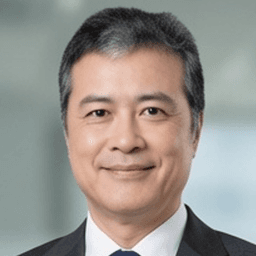
Japanese Reiki Shihan · traditional Usui Reiki, taught and certified in person
- ●Japanese Reiki Shihan (師範 / Reiki Master)
- ●Trained in the traditional Japanese Usui lineage
- ●20+ years of daily practice · teaches in person
- ●Former IT engineer & founder — grounded, no hype
I'm a Japanese Reiki Shihan who learned in the traditional Usui lineage and has practised every morning for over twenty years. My background is in IT and business, not the spiritual scene, so I write about Reiki plainly — what it is, how to practise it, and what it's honestly like — with no medical claims. Based in the Philippines, where I teach in person.
Enjoy this article?
Get honest, grounded writing on traditional Japanese Usui Reiki straight to your inbox.
Related Articles
Byosen: Sensing With the Hands, and Its Limits
What byosen and hibiki mean in traditional Japanese Reiki, why feeling nothing is normal, and the one boundary I teach.
8/10/2026
Why I Became a Reiki Master
A Shihan on why he trained to teach, and the part he did not expect: beginners' questions exposed how much was habit.
8/2/2026
Reiki Symbols: Why They Were Meant to Be Secret
What the secrecy was actually protecting, and why finding the symbols online changes far less than people assume.
7/29/2026
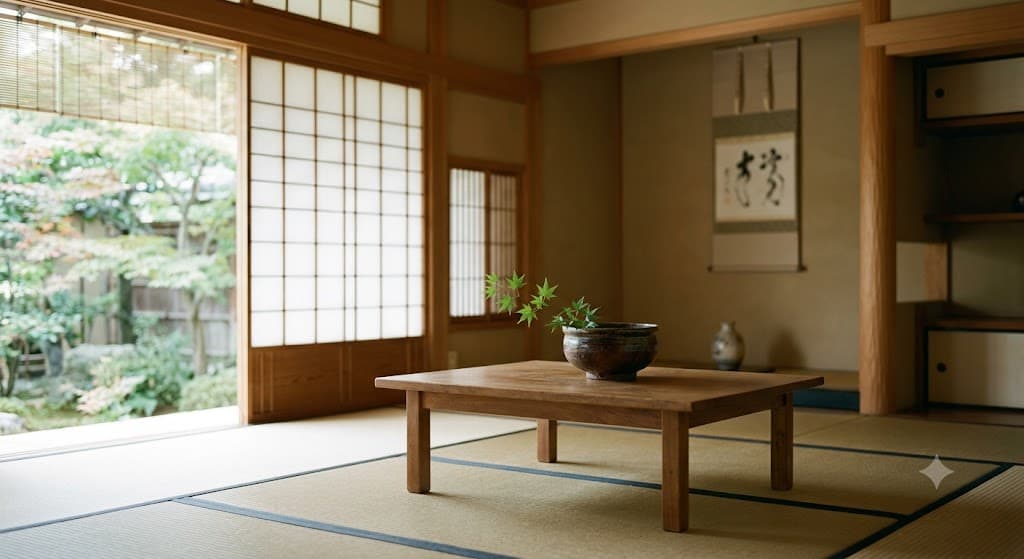
What Usui Shiki Ryoho Really Means
Usui Shiki Ryoho simply means the Usui-style method — a Japanese Reiki Shihan reads the name of traditional Reiki plainly, without hype or mysticism.
7/4/2026
Reiki's Round Trip: Leaving Japan and Coming Back
Reiki began in Japan, crossed to the West with Hawayo Takata, and returned home reshaped — a practice of connecting with energy that no one culture owns.
7/3/2026
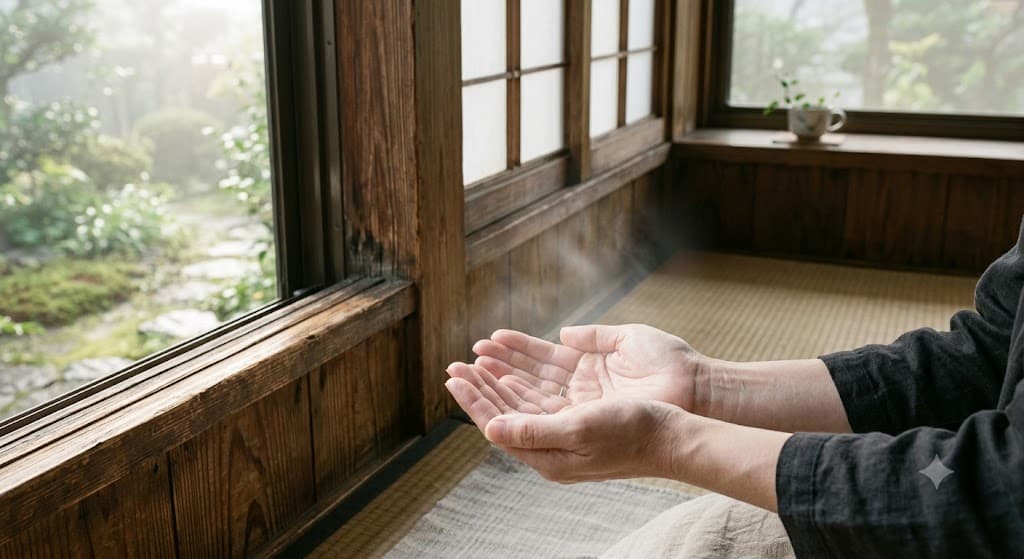
Japanese vs Western Reiki: 7 Differences That Matter
Traditional Japanese and Western Reiki share one founder but differ in reiju, the Five Precepts, and intuition over fixed hand positions — not in raw power.
7/1/2026